
Lecture ‘Behaviour as Embodying Power’ | Wimar Jaeger
until 19 June
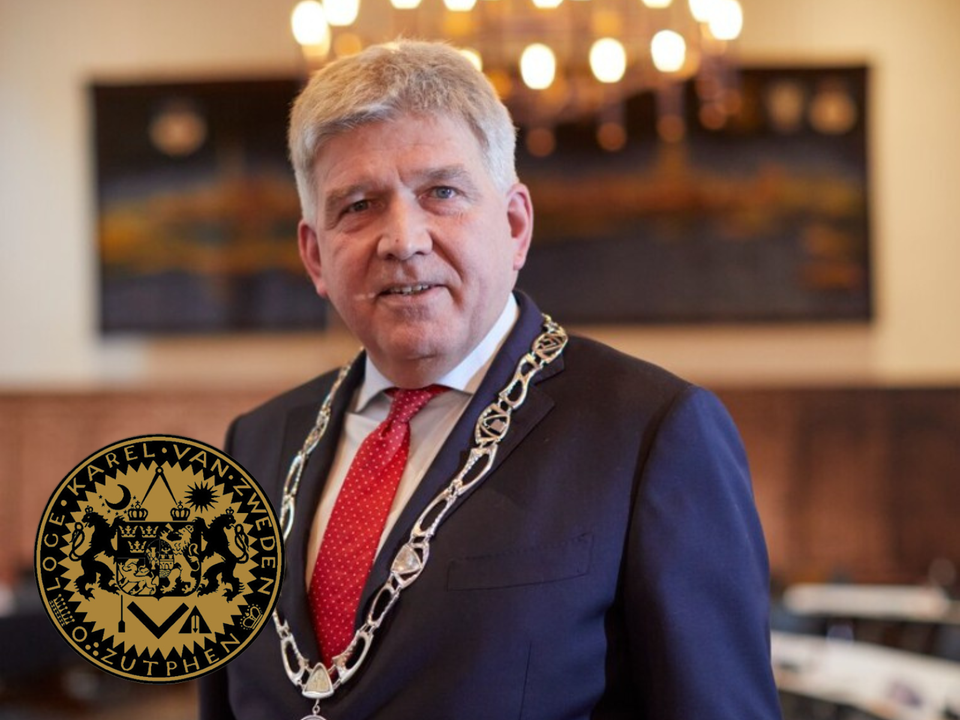
Is authority legitimate power or more a matter of popular authority? Is authority natural dominance or well-founded knowledge and experience? Is authority imposed or is it accepted?
Power and those who exercise it are usually based on the law and sometimes on custom or even tradition. Wimar Jaeger, mayor of Zutphen, argues that power is only truly effective when it is exercised with authority. Authority is power that is accepted. Voluntarily accepted by those who receive and are subject to that authority.
In the post-war years, authority was first established, or perhaps…
Is authority legitimate power or more a matter of popular authority? Is authority natural dominance or well-founded knowledge and experience? Is authority imposed or is it accepted?
Power and those who exercise it are usually based on the law and sometimes on custom or even tradition. Wimar Jaeger, mayor of Zutphen, argues that power is only truly effective when it is exercised with authority. Authority is power that is accepted. It is voluntarily accepted by those who receive and are subject to that authority.
In the post-war years, authority was first built up, or perhaps even restored, but recently there has been a growing impression that the authority of power is eroding. In a democracy, power cannot exist without authority. This applies to politicians, judges and police officers, but also to journalists, scientists, teachers and parents. All these people wield power on the basis of decisions and actions, or on the basis of knowledge and experience. That power requires more than simply the exercise of it. To be effective in a democracy, power must have public support. Only then can we speak of power that is backed by the public, and thus of authority. After all, power is based on coercion and sanctions, whereas authority is based on receptiveness and voluntary compliance.
A mayor holds a position of formal power by virtue of having been selected. But his or her effectiveness stands or falls with authority – that is, the extent to which he or she is supported by councillors and aldermen, by the organisation, the security services, but above all by the community over which he or she has authority.
Achieving supported power – or authority – requires particular qualities. These include being genuinely committed, being able to forge connections, being truly open-minded and adaptable. But also, where necessary, standing firm and being prepared to hold others to account.
Wimar Jaeger, Mayor of Zutphen, explains in his lecture how he experiences the relationship between power and authority. As mayor, he is the face of Zutphen for its residents; he leads the Municipal Council and the Executive Committee; he shares authority over the police with the Public Prosecution Service; and, together with the municipal secretary, he bears ultimate responsibility for the civil service. How does he seek to fulfil these various roles? What, for him, is the essence of, and the difference between, power and authority? Is accepted power indeed authority, or is there more to it? What does he bring to the table to realise this authority? What advice does he have for people who have to exercise authority?
Following his lecture, he will engage in a discussion with the audience on this topic. Teun Busser will also take part in this discussion. Teun Busser is the presiding master of the Karel van Zweden Lodge. For a Worshipful Master of a lodge, too, it is important – indeed, of vital importance – to have the support of the lodge’s members. This is partly because the role of Worshipful Master is not a hierarchical one.
Contact
Zaadmarkt 97
Zutphen Plan your route to the lecture ‘Behaviour as wielded power’ | Wimar Jaeger
Prices
- Free